


Project Case
Brazed Plate Heat Exchangers: A Key To Efficient Industrial Refrigeration
In the world of industrial refrigeration, efficiency and reliability are paramount. Refrigeration systems, which play a crucial role in maintaining proper temperatures across various industries, rely heavily on heat exchangers. Among the many types of heat exchangers available, brazed plate heat exchangers (BPHE) stand out due to their compact design, high efficiency, and versatility. This article explores the functionality, advantages, and applications of brazed plate heat exchangers in industrial refrigeration, emphasizing their role in providing industrial cooling solutions and offering high-efficiency heat exchange in compact forms.

What is a Brazed Plate Heat Exchanger?
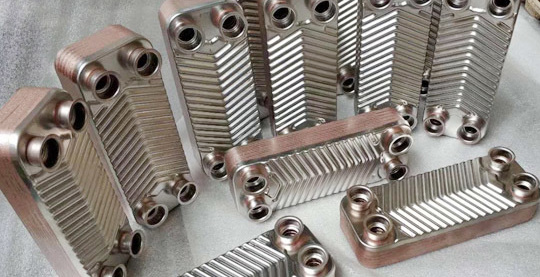
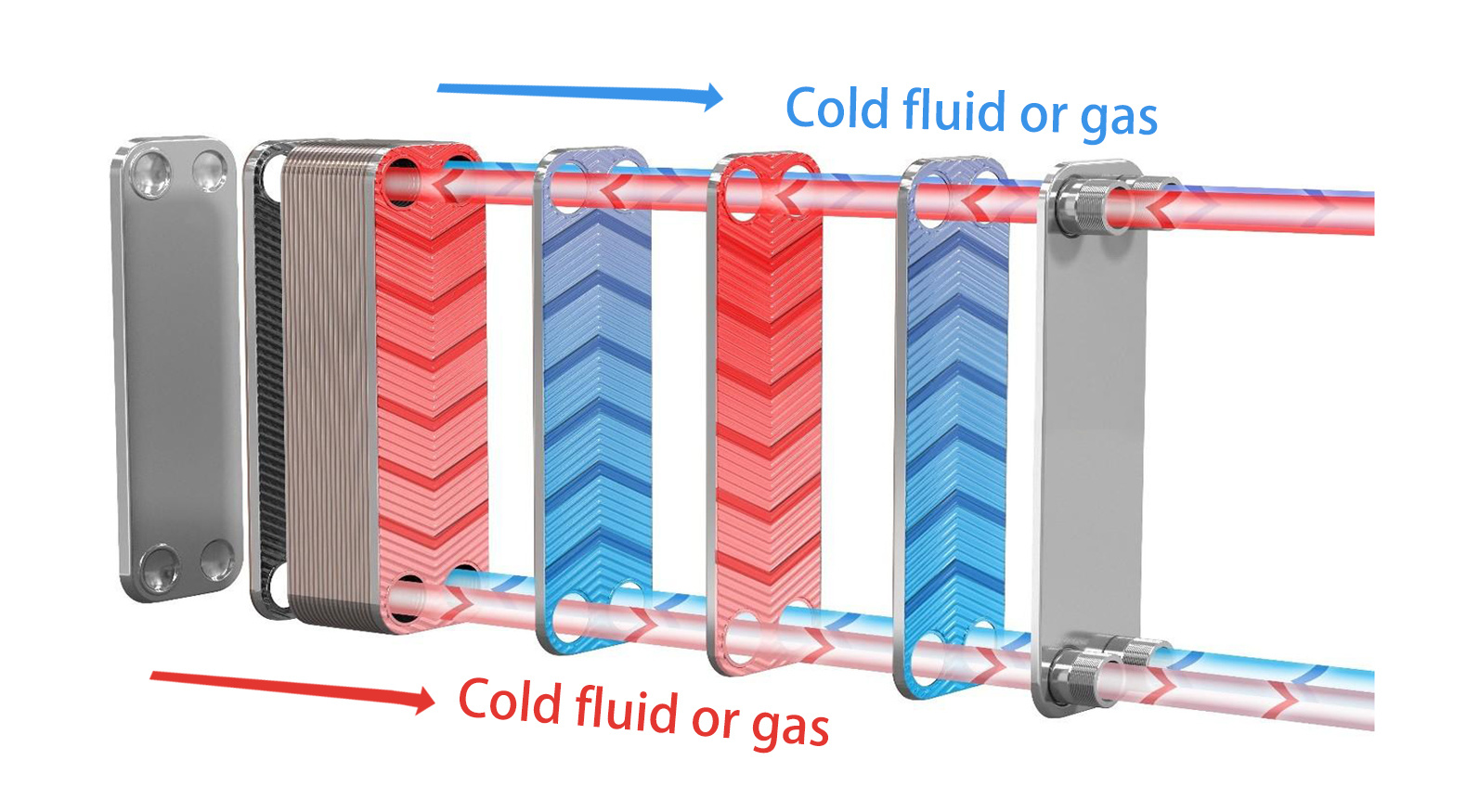
A brazed plate heat exchanger is a type of heat exchanger made by stacking multiple thin metal plates. These plates are typically made of stainless steel, which offers excellent durability and resistance to corrosion. The plates are then brazed together, forming a series of flow channels. Heat is transferred through the plates, from one fluid to another, facilitating the exchange of thermal energy.
The brazing process involves the use of a filler material, typically a metal alloy, which melts at a lower temperature than the plates themselves, binding the plates together to create a sealed, pressure-resistant unit. This results in a highly efficient, compact, and reliable heat exchanger capable of withstanding high pressures and temperatures.
The Advantages of Brazed Plate Heat Exchangers
Compact and Space-Efficient Design
One of the standout features of brazed plate heat exchangers is their compact size. Unlike traditional shell-and-tube heat exchangers, which can be bulky and take up a significant amount of space, brazed plate exchangers are slim and can fit in tight spaces, making them ideal for modern industrial refrigeration systems where space optimization is critical.
High Thermal Efficiency
Brazed plate heat exchangers are known for their high thermal efficiency. The thin plates create a large surface area for heat transfer, which allows the exchanger to operate effectively at lower fluid flow rates and reduces the amount of energy required to transfer heat. This high-efficiency design helps reduce operational costs and energy consumption.
Durability and Corrosion Resistance
Made primarily from stainless steel, brazed plate heat exchangers are highly resistant to corrosion, especially when used in aggressive environments such as food processing, chemical manufacturing, or pharmaceutical production. The stainless steel construction ensures a long lifespan, even in challenging operating conditions.
Customizable for Specific Needs
Custom brazed plate exchangers can be designed to meet the unique needs of various industrial applications. Whether it's a requirement for higher flow rates, pressure, or specialized materials, brazed plate heat exchangers can be tailored to suit specific applications. This flexibility makes them a versatile solution for industries ranging from refrigeration and air conditioning to petrochemical plants and power generation.
Ease of Maintenance and Cleaning
Brazed plate heat exchangers are relatively easy to clean and maintain. Unlike other heat exchangers that may require complicated disassembly for cleaning, the plate design allows for simple cleaning processes. This helps ensure that the system remains efficient and free from blockages or buildup that could reduce its effectiveness.
Reduced Refrigerant Charge
Brazed plate heat exchangers typically require less refrigerant than traditional heat exchangers. This reduction in refrigerant charge not only lowers operational costs but also minimizes the environmental impact, aligning with sustainability goals in industries that are adopting greener technologies.
Industrial Applications of Brazed Plate Heat Exchangers
Industrial refrigeration is a broad field that spans several industries, including food and beverage, pharmaceuticals, chemical production, and more. Brazed plate heat exchangers are used extensively in these sectors due to their ability to deliver high-efficiency cooling in a compact and durable form.
Food and Beverage Industry
In the food and beverage industry, refrigeration is critical for preserving food quality, controlling fermentation, and maintaining the right temperature for storage and transportation. Brazed plate heat exchangers are used to cool large volumes of fluid, such as milk, fruit juices, or beer, quickly and efficiently. Their compact design is especially beneficial in facilities where space is limited but high performance is still required.
Pharmaceutical and Chemical Industries
In the pharmaceutical and chemical industries, precise temperature control is essential for maintaining the integrity of products and ensuring safe and efficient production processes. Brazed plate heat exchangers provide a reliable method of cooling and heating in these sensitive environments. Their corrosion resistance is also a significant advantage in industries that use aggressive chemicals and solvents, ensuring a longer service life and reduced downtime.
Customization for Enhanced Performance
One of the main selling points of brazed plate heat exchangers is the ability to customize them for specific industrial needs. Custom brazed plate exchangers can be designed with specific plate patterns, materials, and flow arrangements to optimize heat transfer performance for particular applications. Whether it's increasing the surface area for heat exchange, adjusting the flow pattern for enhanced efficiency, or selecting materials that are compatible with a specific refrigerant or process fluid, the ability to customize ensures that each heat exchanger is perfectly suited to its intended purpose.
Stainless Steel Heat Exchangers: The Preferred Material
Most brazed plate heat exchangers are made of stainless steel, which offers a range of benefits for industrial applications. Stainless steel is strong, durable, and resistant to corrosion, making it an ideal material for heat exchangers that need to operate in harsh environments. It also has excellent thermal conductivity, which helps improve the overall efficiency of the heat exchanger.
The use of stainless steel is particularly important in refrigeration applications, where the heat exchanger may be exposed to moisture, oils, and other contaminants that could cause corrosion. Stainless steel's resistance to these elements ensures a longer lifespan for the heat exchanger and minimizes the risk of failure due to material degradation.
High-Efficiency Plate Exchangers: A Step Towards Sustainability
As industries worldwide strive to reduce their environmental footprint, the demand for high-efficiency plate exchangers has increased. Brazed plate heat exchangers are an excellent solution for companies looking to improve the energy efficiency of their refrigeration systems. By using high-efficiency heat exchangers, businesses can reduce energy consumption, lower operational costs, and comply with stricter environmental regulations.
The compact heat exchanger design also contributes to sustainability by reducing the overall amount of materials needed for construction. Less material use means less waste, making brazed plate heat exchangers an environmentally friendly choice for industrial refrigeration systems.
Conclusion
Brazed plate heat exchangers are an essential component of modern industrial refrigeration systems. Their compact size, high efficiency, and durability make them an ideal solution for a wide range of industrial applications, from food and beverage processing to pharmaceutical manufacturing. By offering customized solutions, stainless steel construction, and high-efficiency heat exchange, brazed plate heat exchangers provide businesses with the tools they need to optimize cooling performance while reducing costs and environmental impact.
As industries continue to embrace sustainability and energy efficiency, the role of brazed plate heat exchangers in industrial cooling solutions will only grow. With their ability to offer reliable, cost-effective, and eco-friendly performance, these heat exchangers are a cornerstone of the future of refrigeration.


With a vision of boosting thermal management through innovation, Metalli is dedicating to creating a better thermal management solution for your application.
Shortcut links
Contact Information
Fax: +8625 86136302
Address: NO. 12 East mozhou road, Jiangning development zone, Nanjing, China