


Project Case
Improving Heat Management in Oil And Gas Facilities with Plate-Fin Heat Exchangers
In the oil and gas industry, effective heat management plays a pivotal role in optimizing operational efficiency, reducing energy consumption, and ensuring safety. Oil and gas facilities, whether in upstream exploration, refining, or natural gas processing, often involve complex processes that generate significant heat. Efficiently managing this heat is crucial not only for maintaining system integrity but also for maximizing energy recovery and minimizing environmental impact.
One of the most efficient tools for improving heat management in these facilities is the plate-fin heat exchanger (PFHE). Known for their compact design, high heat transfer efficiency, and ability to handle extreme temperatures and pressures, plate-fin heat exchangers have become an indispensable solution for heat transfer in oil and gas processing. In this article, we will explore how PFHEs work, their benefits, and why they are critical for improving heat management in oil and gas facilities.
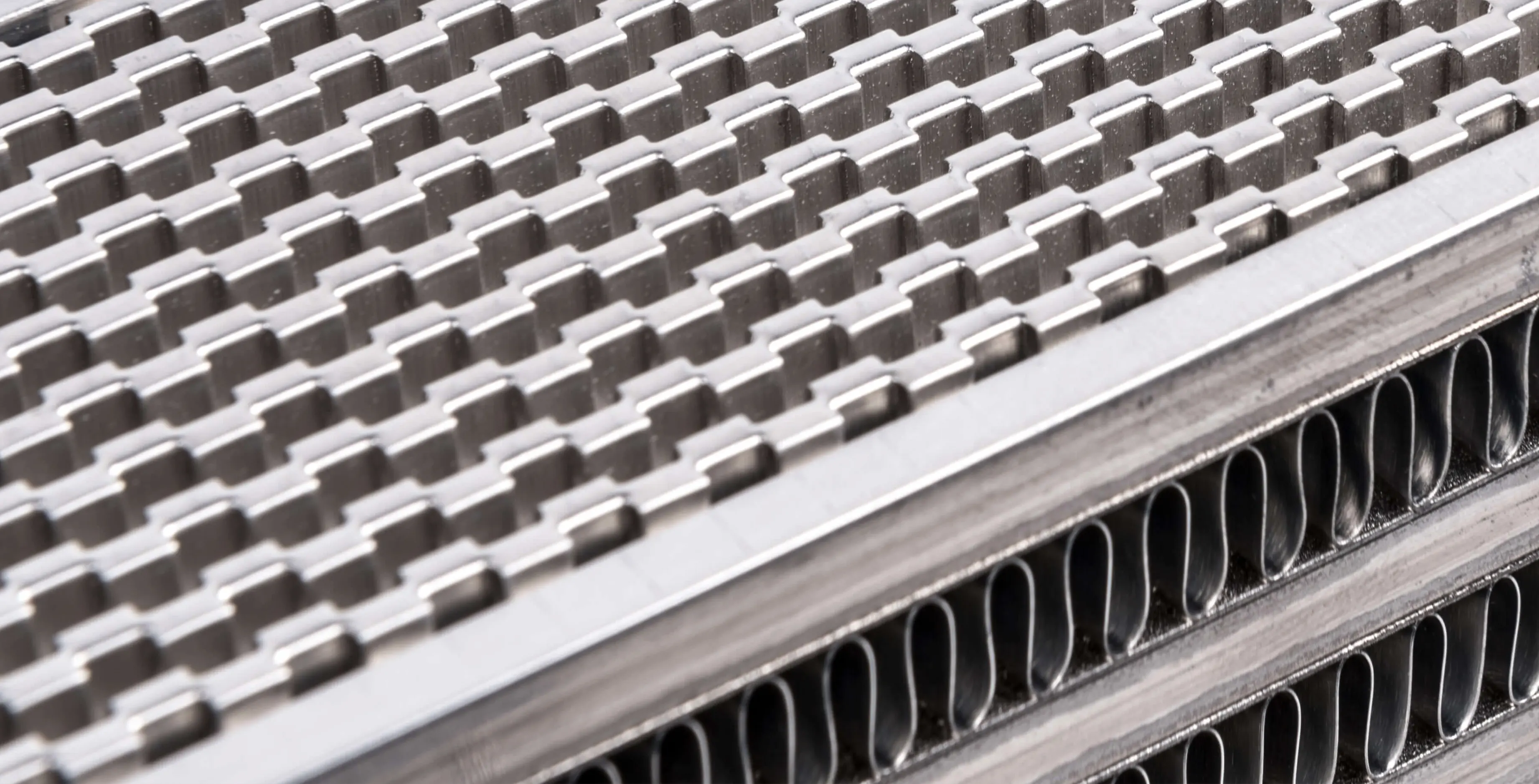
Understanding Plate-Fin Heat Exchangers
A plate-fin heat exchanger is a type of heat exchanger composed of alternating plates and metal fins. The plates are typically made from durable materials such as stainless steel or aluminum, designed to withstand high pressures and corrosive environments common in oil and gas processing. The fins, inserted between the plates, increase the surface area available for heat transfer, which allows for more efficient thermal exchange between fluids (such as gases, oils, or coolants).
These heat exchangers are highly effective in applications where space is constrained, heat transfer efficiency is paramount, and the system must be able to handle extreme conditions, such as high temperatures, high pressures, and corrosive fluids.
The Need for Effective Heat Management in Oil and Gas Processing
Oil and gas processing involves several critical steps, including extraction, refining, natural gas processing, and liquefaction. These processes typically generate large amounts of heat, which, if not effectively managed, can lead to inefficiencies, higher operational costs, and potential safety hazards.
Some key challenges that necessitate effective heat management in oil and gas facilities include:
- High-Temperature Operations: In processes such as crude oil refining, gas compression, and natural gas liquefaction, high temperatures are inherent. Efficient heat exchange is necessary to maintain temperature control, ensure process stability, and protect sensitive equipment.
- Energy Efficiency: With increasing emphasis on energy efficiency and sustainability, reducing energy consumption and minimizing waste heat are crucial in modern oil and gas operations. Proper heat management can result in substantial cost savings and improved environmental performance.
- Compact Space Requirements: Oil and gas facilities often operate in space-constrained environments, whether on offshore platforms, in refineries, or at natural gas processing plants. In these settings, space-efficient solutions are necessary to optimize the use of available space and maintain high levels of heat transfer.
Given these challenges, plate-fin heat exchangers offer an ideal solution due to their ability to provide high heat transfer efficiency, handle extreme conditions, and fit into tight spaces.
How Plate-Fin Heat Exchangers Improve Heat Management
PFHEs are designed to maximize heat transfer while minimizing space, making them a key component in managing heat in oil and gas processing systems. Let’s look at how PFHEs specifically help improve heat management in oil and gas facilities:
1. High Heat Transfer Efficiency
One of the most notable advantages of plate-fin heat exchangers is their high heat transfer efficiency. The unique design of these heat exchangers, with a series of alternating plates and metal fins, increases the surface area for heat exchange. This allows for more efficient thermal transfer between the hot and cold fluids.
In oil and gas processing, heat transfer efficiency is critical to maintaining optimal operating conditions. Whether used in gas-to-gas heat exchange, oil cooling, or heat recovery systems, PFHEs significantly improve the heat exchange process by ensuring rapid and effective thermal dissipation.
The increased surface area due to the fins induces turbulence in the fluid flow, which disrupts boundary layers and accelerates the transfer of heat. This turbulence ensures that heat is absorbed or dissipated faster than in conventional heat exchangers.
2. Durability in Harsh Conditions
Oil and gas operations often take place in extreme environments, with harsh chemicals, corrosive gases, and high pressures and temperatures. PFHEs are constructed from durable materials like stainless steel, titanium, or nickel alloys to withstand these conditions, making them highly reliable in demanding environments.
Whether it’s dealing with corrosive gases in natural gas processing or high temperatures in refining operations, plate-fin heat exchangers can handle the stresses of extreme operating conditions. Their corrosion resistance, heat resistance, and ability to withstand high pressures ensure that they remain effective even in the most challenging industrial environments.
3. Flexible Configurations for Diverse Applications
Another key benefit of plate-fin heat exchangers is their customizability. These heat exchangers can be designed in various configurations, depending on the specific needs of the oil and gas process. For example, they can be configured for:
- Gas-to-gas heat exchange, such as in gas compressors, where hot gases need to be cooled before being recompressed.
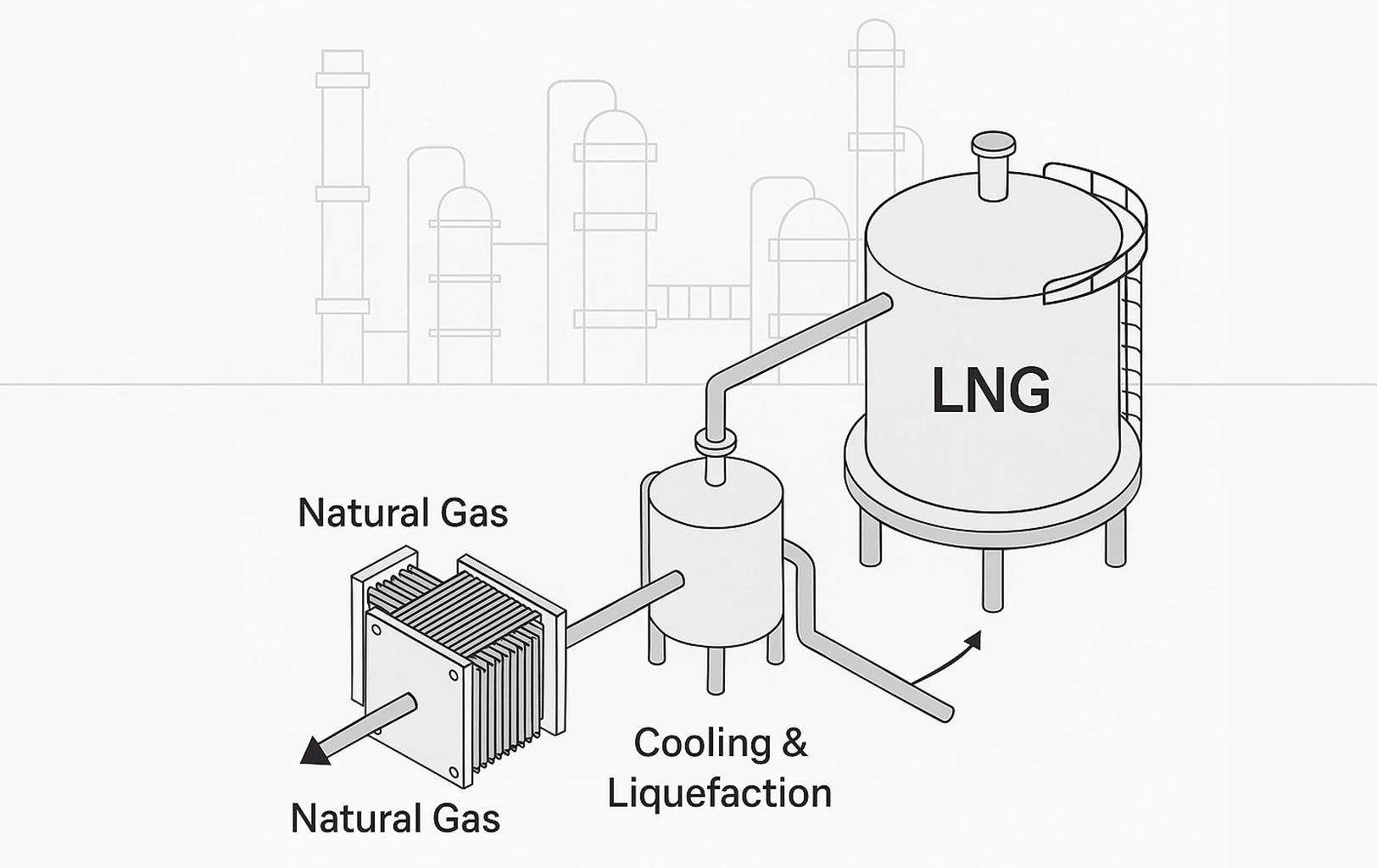
- Gas-to-liquid heat exchange, often used in natural gas liquefaction, where gases are cooled to their liquid state.
- Liquid cooling, where oil or other fluids need to be cooled before being transported or processed further.
This flexibility allows PFHEs to be tailored to the specific thermal needs of the oil and gas process, optimizing heat management for each individual application.
4. Energy Recovery and Efficiency
The energy efficiency benefits of plate-fin heat exchangers extend beyond simply managing heat during the process; they also contribute to energy recovery. By efficiently transferring heat from one medium to another, PFHEs help recover waste heat from one part of the system and use it elsewhere, reducing the need for external energy sources.
In oil and gas processing, where energy consumption is a significant operational cost, recovering waste heat can result in significant savings. PFHEs make it easier to capture and reuse energy from processes such as natural gas compression, crude oil refining, and gas liquefaction, ultimately improving the overall efficiency of the facility.
Applications of Plate-Fin Heat Exchangers in Oil and Gas Processing
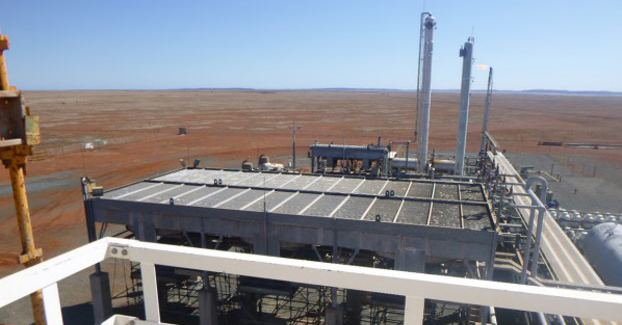
Plate-fin heat exchangers are versatile and have a wide range of applications in oil and gas processing. Here are some of the key areas where PFHEs are utilized:
1. Natural Gas Processing
Natural gas processing involves the removal of impurities, such as water, carbon dioxide, and hydrogen sulfide, from raw natural gas. During this process, heat needs to be managed to maintain the right temperatures for absorption and separation processes. PFHEs are used to efficiently exchange heat in these systems, ensuring optimal operation of gas scrubbers and dehydration units.
2. Gas Compression Systems
In gas compression systems, gases are compressed to higher pressures for transportation or further processing. Compression generates significant heat, which must be managed to ensure the efficiency of the compressors. PFHEs are used to cool the compressed gases, reducing the temperature and preventing damage to the compressor components.
3. Crude Oil Refining
Crude oil refining involves several high-temperature processes, including distillation, catalytic cracking, and hydrocracking. Efficient heat management is essential to maintain process temperatures, improve reaction rates, and reduce energy consumption. PFHEs are used in heat exchangers to transfer heat between fluids in these processes, maximizing efficiency and reducing operational costs.
4. LNG (Liquefied Natural Gas) Production
In LNG production, natural gas is cooled to extremely low temperatures to convert it into a liquid for easier storage and transportation. This process requires effective heat exchange to cool the gas to cryogenic temperatures. PFHEs are used in these systems due to their ability to handle the high heat transfer rates required in cryogenic processes.
Conclusion
Plate-fin heat exchangers (PFHEs) are essential tools in improving heat management in oil and gas facilities. Their compact design, high heat transfer efficiency, durability, and customizability make them ideal for a wide range of applications in the oil and gas industry, from natural gas processing to crude oil refining and LNG production.
With their ability to efficiently manage heat, PFHEs help optimize energy use, reduce operational costs, and enhance safety in oil and gas operations. As the industry continues to evolve and emphasize energy efficiency and sustainability, the role of plate-fin heat exchangers in improving heat management will become even more critical.


With a vision of boosting thermal management through innovation, Metalli is dedicating to creating a better thermal management solution for your application.
Shortcut links
Contact Information
Fax: +8625 86136302
Address: NO. 12 East mozhou road, Jiangning development zone, Nanjing, China