

Project Case
The Role of Plate-Fin Heat Exchangers in Optimizing Heat Transfer for Industrial Gas Systems
In industrial gas systems, efficient heat transfer is critical for maintaining operational efficiency, safety, and reducing energy consumption. Whether it’s for cooling, heating, or heat recovery, the role of plate-fin heat exchangers (PFHEs) has become more prominent due to their compact design, high heat transfer capabilities, and versatility. These heat exchangers are specifically engineered to optimize heat exchange in industrial gas systems by maximizing efficiency in tight spaces and under harsh operating conditions.In this article, we will explore the significance of plate-fin heat exchangers in industrial gas systems, discussing how they work, the benefits they provide, and why they are becoming a go-to solution for a wide range of industrial applications.
Understanding Plate-Fin Heat Exchangers (PFHEs)
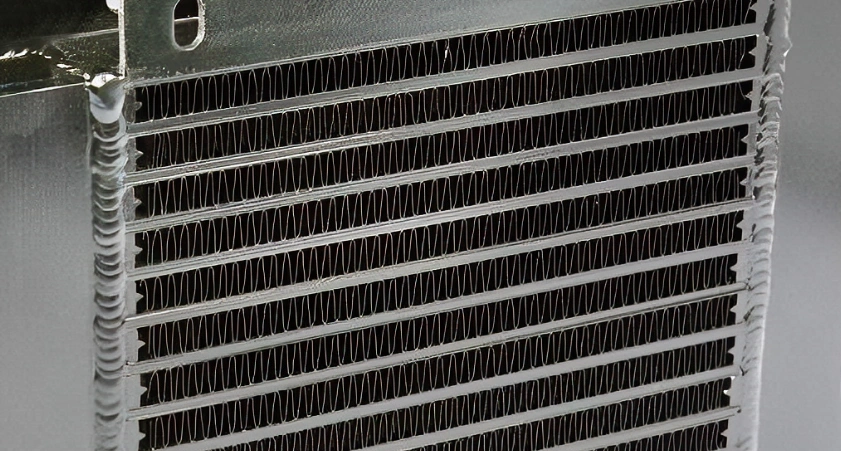
A plate-fin heat exchanger is a type of heat exchanger that consists of a series of parallel plates with metal fins in between. The plates are typically made of materials like aluminum, stainless steel, or copper to ensure durability and efficient heat conduction. The fins increase the surface area for heat transfer, improving the overall heat exchange rate.
The compact design of PFHEs makes them ideal for applications where space is limited, and their high heat transfer efficiency makes them perfect for industrial gas systems where the need for effective heat exchange is paramount. The ability of plate-fin heat exchangers to handle both high temperatures and pressures is crucial in many industrial settings, where the conditions can be extreme.
The Need for Efficient Heat Transfer in Industrial Gas Systems
Industrial gas systems are responsible for managing gases used in a variety of processes, such as air compression, refrigeration, power generation, and petrochemical production. Many of these systems require efficient cooling and heating, often dealing with gases at varying temperatures and pressures. The challenge lies in optimizing the heat exchange process to ensure that these gases are managed effectively while minimizing energy loss and maximizing system performance.
In particular, industrial gas systems often face the following challenges:
- High heat loads: Industrial gases, especially in systems like gas turbines, compressors, and reactors, can carry substantial amounts of heat.
- Compact space constraints: Many industrial environments have limited space for heat exchangers. This is especially true for offshore rigs, power plants, or chemical manufacturing facilities, where available space is valuable and costly.
- Energy efficiency demands: As industries push for sustainability and reduced energy consumption, optimizing heat transfer and minimizing energy waste is critical.
In such environments, plate-fin heat exchangers provide an ideal solution for optimizing heat transfer in gas systems, helping industries meet these challenges effectively.
How Plate-Fin Heat Exchangers Optimize Heat Transfer in Industrial Gas Systems
PFHEs are engineered to provide superior heat exchange through several key mechanisms that are crucial for industrial gas systems. Below are the main features that make them particularly effective in optimizing heat transfer:
1. Increased Surface Area
One of the primary reasons for the superior heat transfer performance of plate-fin heat exchangers is their large surface area. The fins, which are inserted between the plates, significantly increase the surface area available for heat exchange. This allows more heat to be transferred between the hot and cold fluids, making the process more efficient.
In industrial gas systems, where gases typically have low thermal conductivity, this increased surface area helps to accelerate the heat exchange process. The greater the surface area, the more heat can be transferred, improving the overall thermal performance of the system.
2. Enhanced Heat Transfer Efficiency
In industrial gas systems, heat exchangers need to perform under challenging conditions, such as high pressures, extreme temperatures, and corrosive environments. Plate-fin heat exchangers excel in these settings due to the efficient turbulence they create within the flow of gases.
The design of the fins helps to induce turbulence in the fluid flow, which increases the heat transfer coefficient by promoting better mixing and faster heat dissipation. This turbulence helps overcome the natural resistance to heat transfer found in gases, ensuring that the gas is cooled or heated effectively in a shorter amount of time.
3. Flexibility for High-Pressure and High-Temperature Applications
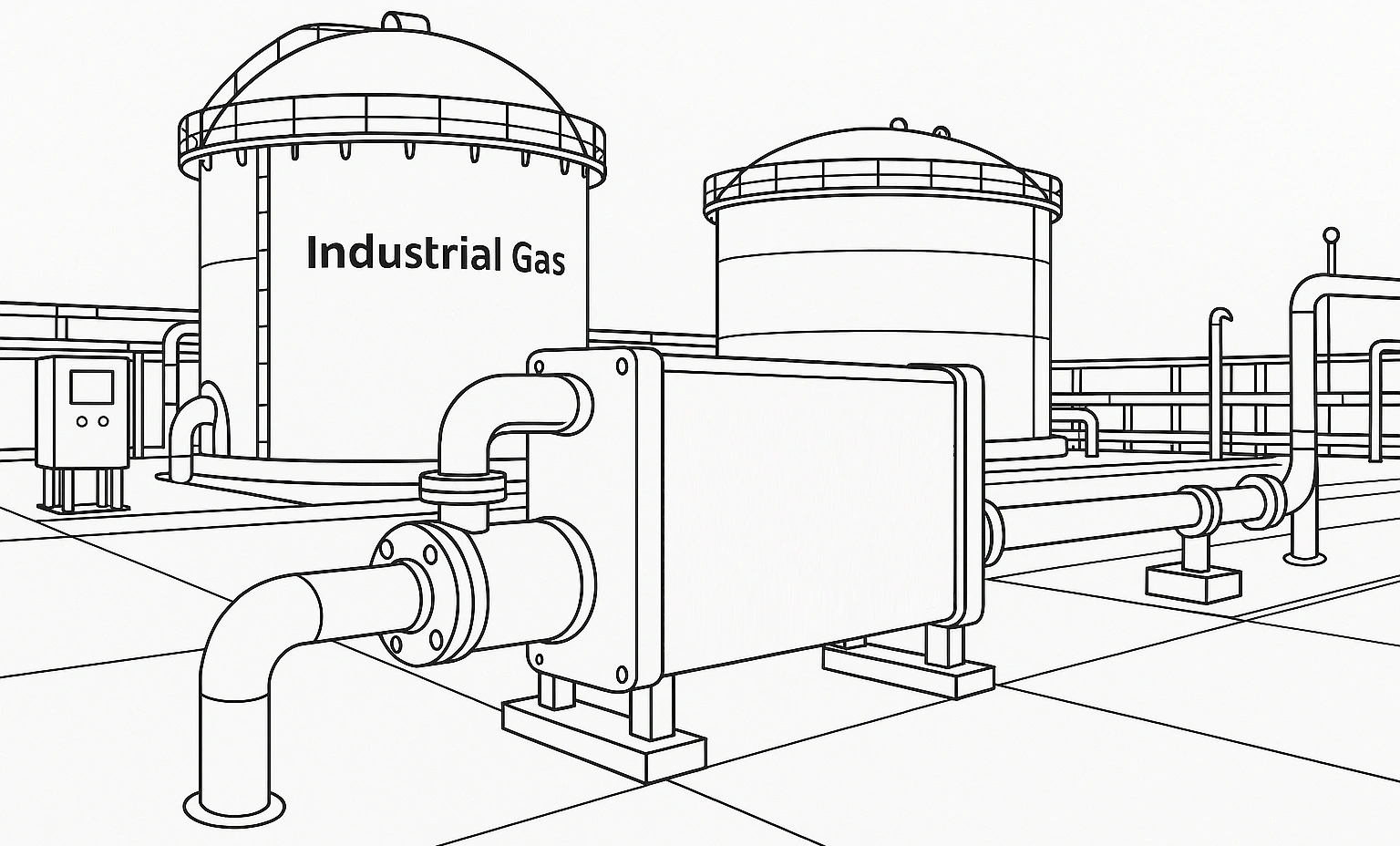
Industrial gas systems often operate at high pressures and temperatures, especially in applications like gas compression, gas turbines, and power generation. Plate-fin heat exchangers are highly versatile and can be designed to handle extreme conditions, making them suitable for these applications.
By selecting materials like stainless steel or titanium, PFHEs can be engineered to withstand high pressures and temperatures while maintaining high efficiency. This makes them ideal for the rigorous demands of industrial gas systems, where reliability is key.
4. Customization for Specific Needs
Another significant advantage of plate-fin heat exchangers is their customizability. Depending on the needs of the industrial gas system, PFHEs can be designed with specific materials, plate configurations, fin designs, and flow arrangements to optimize heat transfer efficiency.
For example, in gas-to-liquid heat exchangers, where the gas needs to be cooled by a liquid, plate-fin exchangers can be customized to ensure the most effective heat exchange. Similarly, in applications where corrosive gases are involved, materials like corrosion-resistant alloys can be used to enhance the durability and longevity of the heat exchanger.
Applications of Plate-Fin Heat Exchangers in Industrial Gas Systems
The versatility of plate-fin heat exchangers makes them suitable for a wide range of applications in industrial gas systems. Below are some key examples of how PFHEs are used in various industries:
1. Gas Compression Systems
Gas compressors are used in industries like oil and gas, petrochemicals, and natural gas processing to increase the pressure of gases for transportation or further processing. The compression process generates significant heat, which needs to be removed to prevent damage to the compressor and improve efficiency. Plate-fin heat exchangers are ideal for cooling compressed gases in these systems due to their compact design and high thermal performance.
2. Gas Turbines
Gas turbines are widely used in power generation, especially in combined-cycle power plants, where they generate electricity by converting the energy in hot gases into mechanical work. These turbines operate at high temperatures, and effective cooling is required to maintain optimal performance and efficiency. PFHEs help remove excess heat from the exhaust gases, ensuring that the turbine operates at a steady temperature and that energy recovery is maximized.
3. Refrigeration and Cryogenics
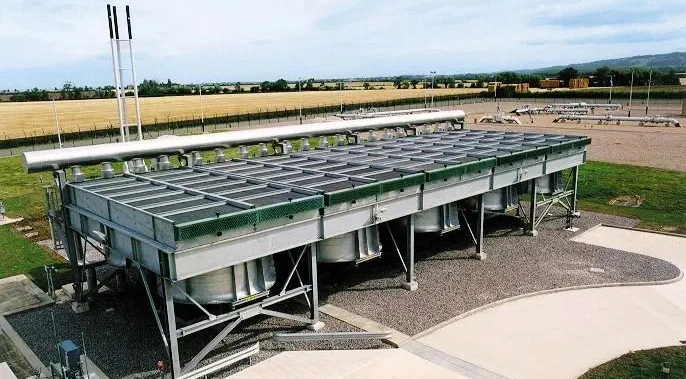
In refrigeration and cryogenic systems, where extremely low temperatures are involved, plate-fin heat exchangers are often used to transfer heat efficiently between the refrigerant and the environment. This is especially useful in industries such as liquefied natural gas (LNG) production, air separation units, and cryogenic storage systems. Their ability to handle extreme temperature differences makes them ideal for applications requiring very low temperatures.
4. Air Separation Plants
Air separation plants, used to separate atmospheric air into its components (such as nitrogen, oxygen, and argon), require efficient cooling of the process gases. Plate-fin heat exchangers are often used in these applications to ensure that the cooling process is efficient, minimizing energy usage and optimizing performance.
Conclusion
In industrial gas systems, heat transfer efficiency is vital for maximizing performance, reducing energy consumption, and ensuring safety. Plate-fin heat exchangers are an invaluable tool in optimizing heat transfer in these systems. Their compact design, high heat transfer efficiency, ability to handle extreme temperatures and pressures, and customizability make them ideal for a wide range of applications, from gas compression and gas turbines to cryogenics and air separation.
By providing superior heat exchange in a space-saving form, plate-fin heat exchangers help industries enhance operational efficiency, reduce environmental impact, and achieve their energy goals. With their growing adoption in industrial gas systems, PFHEs continue to be an essential technology for improving heat management and optimizing overall system performance.


With a vision of boosting thermal management through innovation, Metalli is dedicating to creating a better thermal management solution for your application.
Shortcut links
Contact Information
Fax: +8625 86136302
Address: NO. 12 East mozhou road, Jiangning development zone, Nanjing, China