


Project Case
Harnessing Industrial Waste Heat: The Role of Brazed Plate Heat Exchangers in Energy Recovery
In today's industrial landscape, energy efficiency and sustainability are top priorities. As industries strive to reduce costs and minimize their environmental footprint, one of the most promising opportunities for improvement lies in recovering waste heat. Every industrial process produces some form of waste heat, which is often released into the environment or lost in various systems. However, this waste heat can be harnessed to improve energy efficiency and contribute to cost savings. One of the most effective technologies for capturing and recovering waste heat is the brazed plate heat exchanger (BPHE).
In this article, we will examine the role of brazed plate heat exchangers in waste heat recovery, particularly in industrial settings. We'll also discuss the benefits, applications, and potential of using BPHEs to improve energy efficiency and reduce environmental impact.
What is Waste Heat Recovery?
Waste heat recovery (WHR) refers to the process of capturing excess heat from industrial processes or machinery and converting it into usable energy. In most industries, large amounts of heat are generated as a byproduct of manufacturing, chemical reactions, and mechanical processes. Typically, this waste heat is lost to the environment through exhaust gases, cooling systems, or surface heat dissipation.
Recovering this waste heat not only helps reduce energy consumption but also improves the overall efficiency of industrial operations. In fact, by capturing and reusing waste heat, industries can offset the need for additional energy inputs, resulting in significant cost savings and a reduction in the carbon footprint of their operations.
The Role of Brazed Plate Heat Exchangers in Waste Heat Recovery
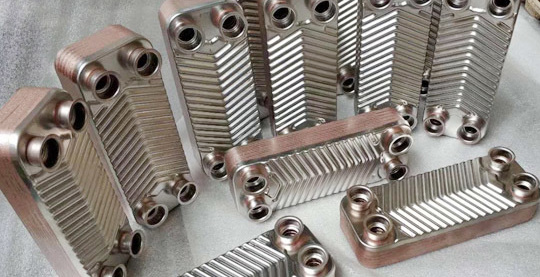
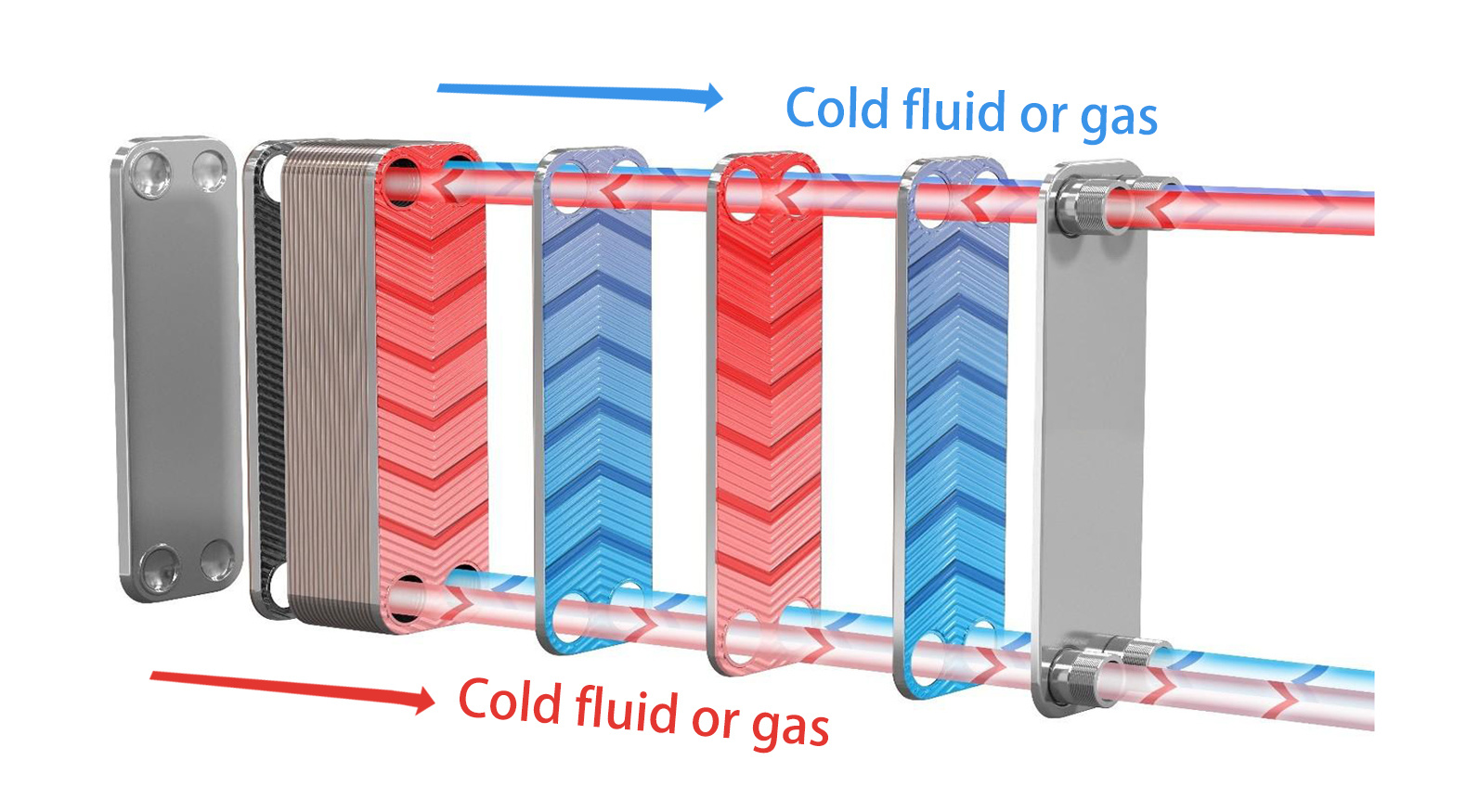
A brazed plate heat exchanger (BPHE) is a highly efficient device for heat transfer used in various industrial applications, including waste heat recovery. BPHEs consist of a series of stainless steel plates that are tightly stacked together and brazed at the edges to form a sealed unit. These plates create multiple flow channels through which fluids pass, enabling the transfer of heat between them.
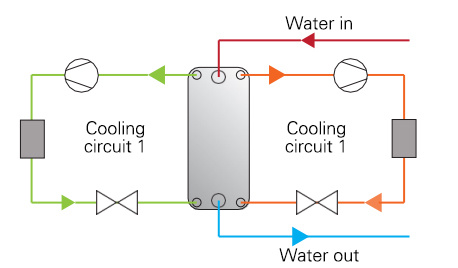
The primary role of BPHEs in waste heat recovery is to capture and transfer heat from waste fluids, gases, or solid materials and utilize it to preheat other fluids in the system. This process significantly reduces the need for additional energy to heat fluids and can be applied in various industries, including manufacturing, power generation, food processing, and HVAC systems.
Why Choose Brazed Plate Heat Exchangers for Waste Heat Recovery?
BPHEs offer several advantages over other types of heat exchangers, making them particularly suitable for waste heat recovery applications.
1. High Efficiency
One of the main reasons brazed plate heat exchangers are ideal for waste heat recovery is their exceptional heat transfer efficiency. The design of BPHEs ensures that the fluids flow in a highly turbulent manner, which improves heat transfer rates. Additionally, the compact design of BPHEs enables a large surface area within a small volume, thereby maximizing the heat exchange process. This efficiency translates into a more effective use of waste heat, resulting in lower overall energy consumption.
2. Durability and Corrosion Resistance
Most brazed plate heat exchangers are made from stainless steel, which is known for its excellent resistance to corrosion and high temperatures. This makes BPHEs particularly well-suited for recovering waste heat in harsh industrial environments, where corrosive fluids, gases, or high temperatures are present. The durability of BPHEs ensures that they can operate reliably over long periods, reducing maintenance and replacement costs.
3. Flexibility and Customization
Brazed plate heat exchangers can be customized to meet the specific needs of different waste heat recovery applications. They can be designed with varying plate configurations, materials, and flow arrangements to maximize performance for different temperature ranges, flow rates, and fluid types. Custom designs enable industries to optimize their heat recovery systems for the best possible results, whether recovering heat from exhaust gases, cooling systems, or other waste heat sources.
4. Environmentally Friendly
By recovering waste heat, industries can significantly reduce their energy consumption, resulting in lower greenhouse gas emissions and a smaller carbon footprint. In an era where environmental sustainability is a major focus, using BPHEs for waste heat recovery aligns with global efforts to reduce industrial emissions and promote greener technologies.

Applications of Brazed Plate Heat Exchangers in Waste Heat Recovery
Brazed plate heat exchangers are used in various industrial sectors for waste heat recovery, from power plants to manufacturing facilities. Below are some of the most common applications of BPHEs in energy recovery.
1. Power Generation
In power plants, waste heat is generated as a byproduct of electricity generation, especially in thermal power stations and combined heat and power (CHP) systems. BPHEs can recover this heat and use it to preheat feedwater, improving the overall efficiency of the power generation process. By capturing waste heat and converting it into usable energy, BPHEs enable power plants to reduce fuel consumption and minimize their environmental impact.
2. Manufacturing and Industrial Processes
In manufacturing industries, particularly in metal processing, chemical production, and cement manufacturing, large amounts of waste heat are produced during various stages of production. Brazed plate heat exchangers can be used to recover this heat and either redirect it to other parts of the production process or use it to heat water or air for other industrial applications. For example, recovered heat can be used to preheat combustion air or to assist in drying processes, reducing the need for additional heating.
3. Food and Beverage Industry
In the food and beverage industry, heat recovery is particularly crucial due to the constant need for precise temperature control during processes such as pasteurization, sterilization, and cooking. BPHEs can recover waste heat from hot fluids, gases, or cooling systems and utilize it to preheat water or ingredients, thereby reducing energy costs and enhancing process efficiency. Additionally, the corrosion resistance of BPHEs ensures that they can handle the challenging conditions often found in food processing environments.
4. Marine and Offshore Applications
Marine and offshore industries are increasingly utilizing BPHEs for waste heat recovery in systems such as exhaust gas heat recovery systems (EGHRs) and marine cooling systems. On ships and offshore rigs, BPHEs are used to recover heat from engine exhaust gases and use it to preheat water for use in other parts of the system, such as heating systems or desalination processes.
Conclusion
Brazed plate heat exchangers offer a highly effective and efficient solution for harnessing industrial waste heat. Their compact design, high heat transfer efficiency, durability, and versatility make them ideal for waste heat recovery in various industrial sectors. By capturing and reusing waste heat, BPHEs not only help reduce energy consumption and operational costs but also contribute to environmental sustainability by lowering greenhouse gas emissions and reducing the carbon footprint of industrial operations.
As industries continue to focus on energy efficiency and environmental responsibility, brazed plate heat exchangers from NANJING METALLI INDUSTRIAL CO., Ltd. will play a crucial role in helping them achieve their energy recovery and sustainability goals. Whether used in power generation, manufacturing, food processing, or HVAC systems, BPHEs are a powerful tool for maximizing energy efficiency and reducing operational costs in the modern industrial landscape.


With a vision of boosting thermal management through innovation, Metalli is dedicating to creating a better thermal management solution for your application.
Shortcut links
Contact Information
Fax: +8625 86136302
Address: NO. 12 East mozhou road, Jiangning development zone, Nanjing, China