

Project Case
A Comprehensive Guide of Metal Stamping
Stamping is a widely used manufacturing process that involves the shaping or forming of materials through the application of pressure. This article aims to provide a comprehensive overview of stamping, answering frequently asked questions regarding its features, types, and applications. Whether you are new to the concept or seeking to expand your knowledge, this guide will serve as a valuable resource.
Features of Stamping:
Stamping offers several notable features that make it a preferred choice for various industries. Here are some key features:
Precision: Stamping allows for the creation of highly precise and intricate designs, ensuring consistent quality and accuracy in the final product.
Cost-effective: The high-speed production capabilities of stamping make it a cost-effective method, especially for large-scale manufacturing projects.
Versatility: Stamping can be applied to a wide range of materials, including metals, plastics, and composites, making it suitable for diverse applications.
Durability: Stamped parts are known for their durability and strength, making them ideal for applications that require long-lasting components.
Types of Stamping:
Stamping encompasses various techniques and processes. Here are some common types of stamping:
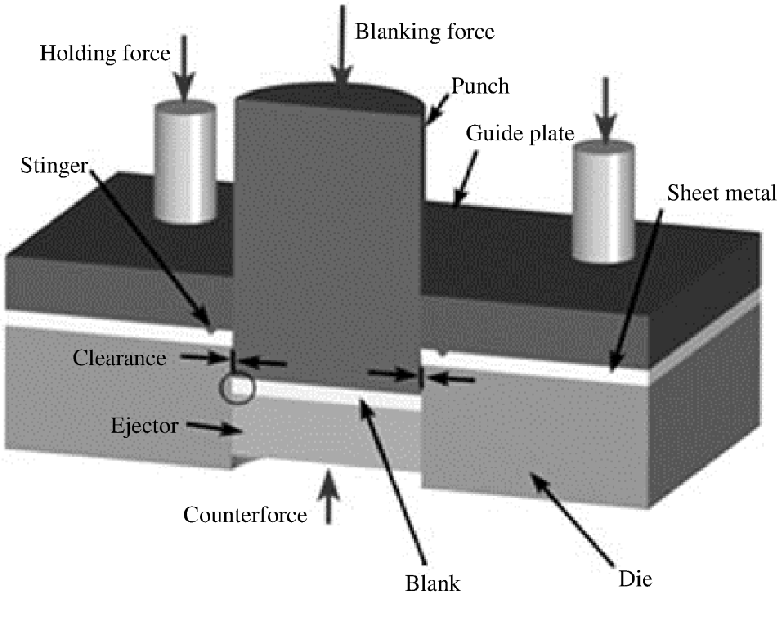
Blanking: This process involves cutting out a flat piece of material into a desired shape, leaving behind the desired part while discarding the excess material.
Piercing: Piercing is used to create holes or openings in the material, often performed in conjunction with other stamping processes.
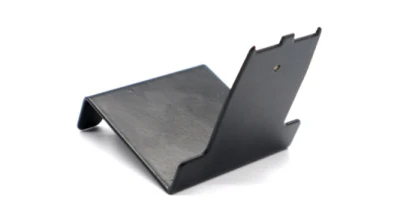
Bending: As the name suggests, bending involves deforming the material to achieve a desired angle or shape, allowing for the creation of complex geometries.
Coining: Coining is a process that involves compressing the material between two dies to create intricate designs or patterns on the surface.
Applications of Stamping:
Stamping finds extensive applications across various industries. Some common applications include:
Automotive Industry: Stamping is widely used in the automotive industry for the production of body panels, chassis components, brackets, and other structural parts.
Electronics Industry: Stamping plays a crucial role in the manufacturing of electronic components, such as connectors, terminals, and shielding.
Aerospace Industry: Stamping is utilized in the production of aircraft parts, including wing components, brackets, and structural elements.
Consumer Goods: Many consumer goods, such as appliances, furniture, and packaging materials, rely on stamped parts for their production.
Medical Industry: Stamping is employed in the manufacturing of medical devices, special instruments, and implants, ensuring precision and reliability.
Conclusion:
Stamping is a versatile and cost-effective manufacturing process that offers numerous benefits across various industries. Its precision, cost-effectiveness, and durability make it an attractive choice for producing high-quality components. By understanding the features, types, and applications of stamping, manufacturers can harness its potential to enhance their production capabilities and meet the demands of today's competitive market.


With a vision of boosting thermal management through innovation, Metalli is dedicating to creating a better thermal management solution for your application.
Shortcut links
Contact Information
Fax: +8625 86136302
Address: NO. 12 East mozhou road, Jiangning development zone, Nanjing, China